September 1, 1970
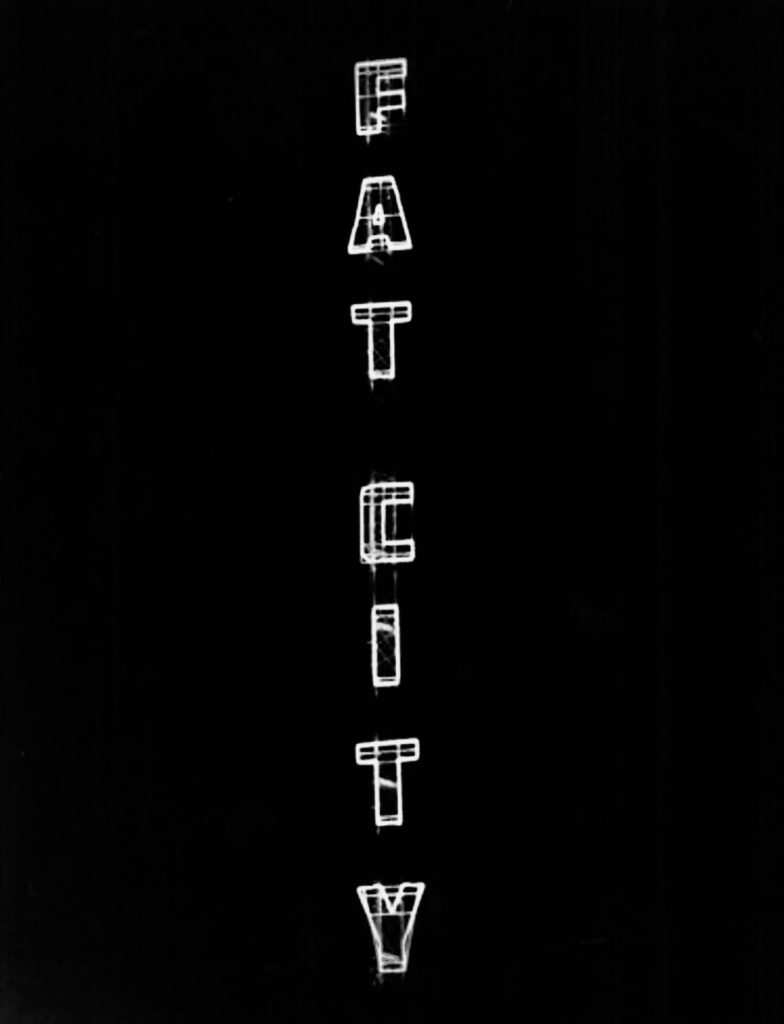
Drago’s Restaurant in Metairie had been open for a while when they legally started using this name today in 1970. Sure, the grilled oysters were great, but they really started leaving their mark on Louisiana history when they moved to a new location on Severn Avenue in 1972. Fat City, named for a snoball stand in the parking lot of the Lakeside Mall was starting to make a name for itself with legendary watering holes like Que Pasa and Don Quixote, but Drago’s changed the neighborhood’s trajectory as the first “destination restaurant” in the area. After that, Fat City was off to the races. Sancho Panza, P.O.E.T.S., Rizzo’s, the Quarter Note, the Spanish Galleon, Bobby McGee’s, the Front Page, Mary M’s, Crazy Johnnie’s, Fletcher’s, Dino’s Rock Box–the list goes on. Drago’s remains, but Fat City wasn’t long for the world. In the 1980’s, Jefferson Parish leaders apparently decided that one French Quarter in the area was enough and began passing ordinances and zoning regulations that discouraged the kind of monkey business that Fat City had become famous for. But it was fun while it lasted.
September 1, 1830
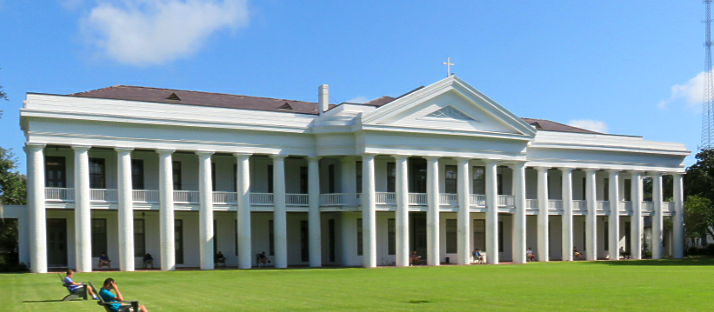
Today in 1830, voters of St. James Parish approved the creation of the “College of Jefferson” in the town of Convent. The College of Jefferson would be established by the legislature in early 1831, and the college would open in February, 1834, offering curricula in English and French. Over the next seventy years, fire, civil war and lack of funds would plague the college. In 1931, the Jesuits purchased the campus and renamed it the Manresa House of Retreats. One distinctive legacy of the college is the tradition of bonfires on the levee on Christmas Eve, which had been brought from France by faculty members in the 1880’s.
September 2, 1855
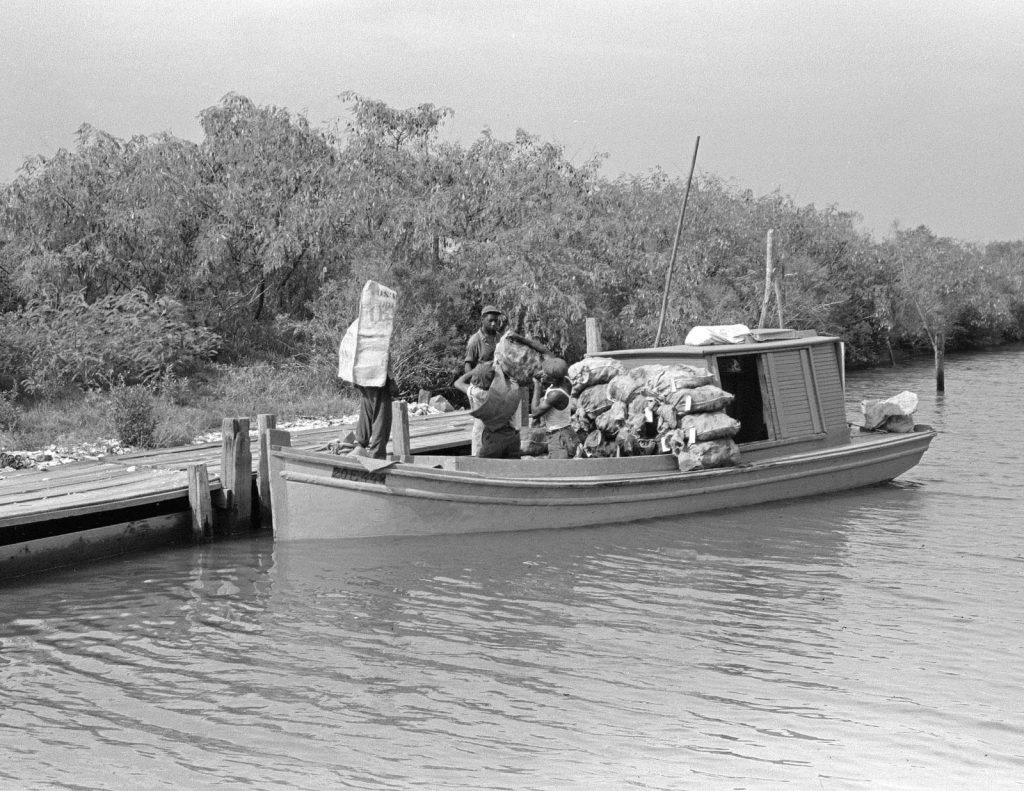
Speaking of Croatians and oysters (see 9/1) and now that we’re back into months with an “R” in their names, The LSU College of Agriculture credits Luke Jurisich, an 1855 immigrant from Duba, Croatia, as being the first person to actively cultivate oysters in Louisiana. It is said that early Croatian fisherman saw great similarities between the oysters found in the estuaries near the mouth of the Mississippi and the Gulf and those found off the shores of the Adriatic Sea. Over the years, the oyster business grew in the New Orleans, particularly in Plaquemines Parish. Louisiana is the top U.S. producer of oysters, supplying 30–40% of the nation’s total and generating roughly million annually. The industry relies on a public-private system, using 1.7 million acres of public grounds for seed and 400,000 acres of private leases for harvest. From 2003 to 2022, Louisiana accounted for 32.3 percent of all oysters landed in the United States.
September 2, 1990
This week in 1990, the Shreveport Captains of the Texas League made the league play-offs and went on to defeat the San Antonio Drillers to win their first league title. Shreveport had been a member of the Texas League since 1971, when the Captains, an affiliate of the California Angels, started playing at SPAR Stadium. They would move to the stadium at the Fairgrounds in 1985 and play there until being purchased and moved to Frisco, Texas, in 2002. The team’s affiliation with the Angels would end after the 1972 season and be replaced by the Milwaukee Brewers (1973–74), Pittsburgh Pirates (1975–78) and San Francisco Giants (1979–2002).
September 3, 1949
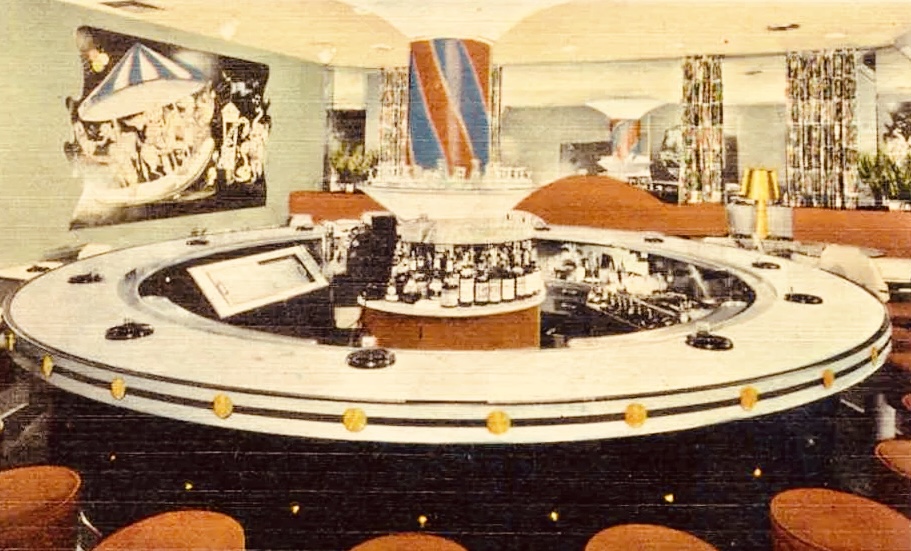
Today in 1949, the world started spinning for drinkers at the Monteleone Hotel. The hotel itself had opened in 1909, but today, the lobby Carousel Bar, affording guests an orbit around the room every fifteen minutes or so. It wasn’t nearly as circus-y when it opened with white tiles and no canopy over a wooden bar (pictured).But people fell in love with it all the same. The canopy came in 1960, and Disney artists painted the horses and panels that surround the bar in 1992.

September 3, 1859
Disputes between outlaws and vigilantes in in Vermilion, Lafayette and St. Landry parishes came to a showdown today in 1859 at the “Battle of Queue de Tortue. In the years before the civil war, Acadian settlers frequently ran afoul of their “Americain” neighbors, who eventually resorted to forming vigilante committees. The committees’ punishments ranged from expulsion and whipping to death. The disputes came to a head with a confrontation on Bayou Queue de Tortue between Lafayette and St. Landry Parishes. Several hundred vigilantes took twenty-four prisoners and gave their leaders a hundred lashes of the whip. The 1986 film Belizaire the Cajun was based on the events of this era.

September 4, 1954
This week in 1954, Congress officially authorized the U.S. Army Corps of Engineers to build a permanent control structure at Old River. Old River is a seven-mile stream that connects the Mississippi River to the Red and Atchafalaya Rivers. The direction of the flow varied, depending which of the rivers was higher at the time. Over the years, the Atchafalaya continued to enlarge to the point where there was concern that it would eventually capture the entire flow of the Mississippi. Leaving New Orleans and Baton Rouge at the end of a shallow salt-water channel to the Gulf of America was determined not to be a good thing, so Congress acted to create what we now call the Old River Containment Structure in Concordia Parish. It was designed by Dr. Hans Albert Einstein (not that one), and operational by the mid-1960’s.

September 4, 1971
The 1972 classic film Sounder was being filmed in St. Helena and East Feliciana Parishes today in 1971. The film was based on the young adult novel by William H. Armstrong that had been published in 1969 and won the Newbery Award for American Fiction for Children in 1970. The film would premier in 1972 and starred Cecily Tyson and Paul Winfield, who were both nominated for Academy Awards in that year of The Godfather and Cabaret. T he supporting cast included Kevin Hooks, son of actor Robert Hooks, and musician Taj Mahal, who also provided the score, made his film debut as the family’s optimistic friend, Ike.

September 5, 1958
Today in 1958, freshmen began attending classes at LSU New Orleans for the first time. A 99-year lease on its 178-acre campus on the New Orleans Lakefront, the site of a former naval air station, was obtained in 1957 from the Orleans Parish Levee Distirct. In February, 1974, the LSU Board of Supervisors approved a name change, and LSUNO became the University of New Orleans, and on December 6, 2011, the University of New Orleans officially became part of the University of Louisiana system. But wait, there’s more… On July 1, 2026, the university rejoined the LSU System and again became LSUNO.
September 5, 1947
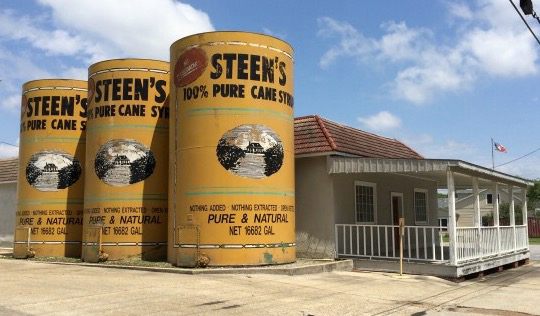
Steen’s Syrup Mill of Abbeville incorporated today in 1947. C. S. Steen, Sr. began boiling cane syrup in 1910, in an effort to save his freezing crop of sugar cane. Cane syrup is made by the simple concentration of cane juice through long cooking in open kettles. The dark syrup is sweeter than molasses because no refined sugar is removed during the cooking process. At the time of Steen’s death in 1936, the mill was processing about ten thousand tons of cane into syrup annually, and Steen’s widow
and surviving children-now in the fifth generation-would take over the company and expand production.

September 6, 1940
New Orleans native Dorothy Lamour was the toast of her hometown today in 1940 as she made her triumphal return to the city after becoming the number one female box office attraction in the United States. She was born Mary Leta Dorothy Slaton, and when her mother married for a second time to Clarence Lambour, Dorothy later adopted and modified this as her stage name. She quit school at the age of 14, worked as a secretary and entered beauty pageants to support herself. When she was crowned “Miss New Orleans” in 1931, she used the prize money to move to New York and begin her stage career.

September 6, 1936
A festival that was once recognized as “Festival with the Most Unusual Name,” the Louisiana Shrimp and Petroleum Festival was held for the first time this Labor Day weekend in 1936. One might think that the BP Spill would have suggested an amendment to the name, but one would be wrong. The festival still bears the name proudly. Today, the festival proudly honors the hardworking men and women of both the seafood and petroleum industries—two vital sectors that serve as the economic backbone of the Morgan City-Berwick community. The festival has celebrated those who labor tirelessly through all conditions, from sunshine to storms—even hurricanes—to sustain the community’s prosperity.
September 7, 1908
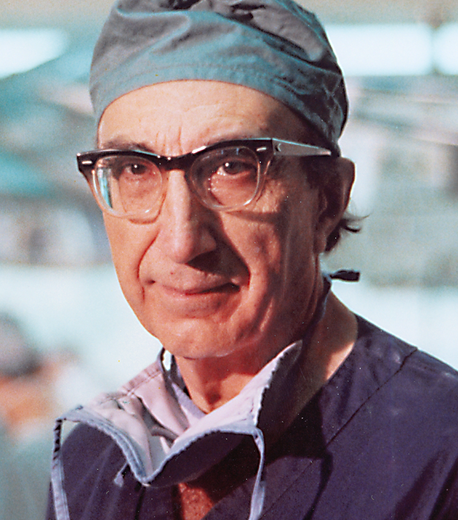
World-renowned heart surgeon Michael DeBakey born in Lake Charles today in 1908. DeBakey received his undergraduate and medical degrees from Tulane and he remained in New Orleans to complete his internship and residency in surgery at Charity Hospital. Later, he would move to the UT Medical Center in Houston and pioneer the development of the artificial heart. DeBakey was the first to use an external heart pump successfully in a patient, and he pioneered the use of Dacron grafts to replace or repair blood vessels. In 1958, he performed the first successful patch-graft angioplasty. The DeBakey artificial graft is still used around the world to replace or repair blood vessels.

September 7, 2024
Over 2000 people attended the first Natchitoches Bigfoot Festival today in 2024. Over the years, there have been several sightings of the bashful yeti in Central Louisiana. In 2000, two loggers had spotted a seven-foot tall “booger” covered in black hair, with big feet near Cotton Island in Rapides Parish. LSU scientists would determine that hair samples collected at the site had come from a horse. Researches at the Oregon National Primate Research Center examined the hairs and said they’d come from a cow. In 2023 campers near Goldonna in Natchitoches Parish reported seeing the creature in the photo. Natchitoches officials, acting in the public interest, responded by hosting the first Bigfoot Festival the following year.
September 8, 1935
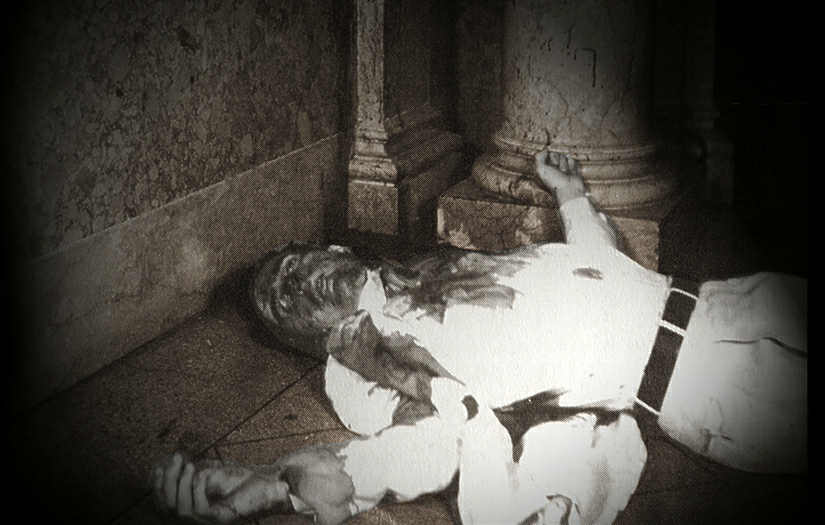
Tonight in 1935, somebody shot Senator Huey Long. Police witnesses said that Baton Rouge physician Carl Austin Weiss (pictured) approached Long and fired the shot that would cause his death thirty hours later. Weiss’s defenders would say that the doctor approached the Senator in a manner that the Senator’s bodyguards deemed to be threatening. An errant bullet from a guard’s gun struck Long, before their next sixty-two
bullets would strike Weiss. It was said later that when Weiss’s body was moved, the sound of bullets falling out of his body and hitting the marble floor sounded like somebody dropping a fistful of nickels.
September 8, 1918
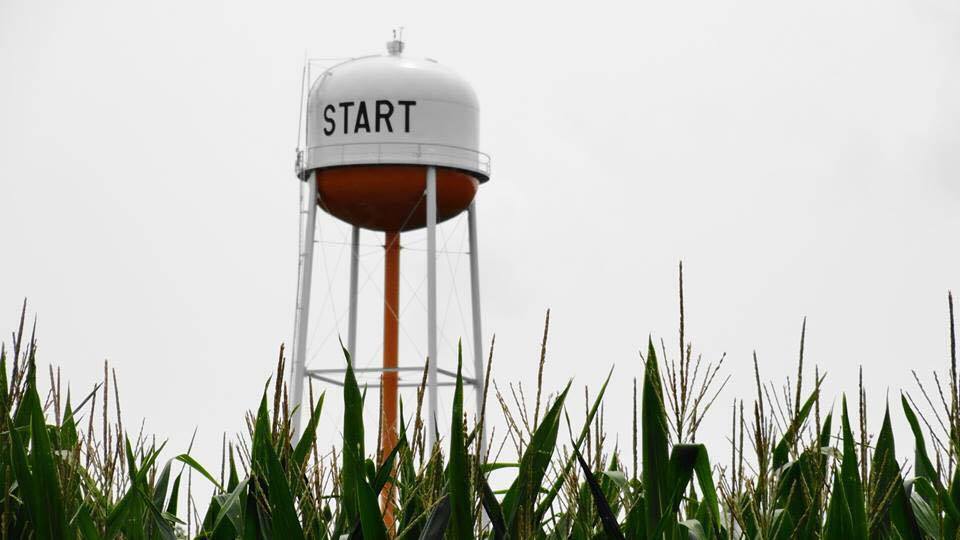
This week in 1918, the post office in Start, Louisiana, received its commission from the U.S. Post Office. The community had already petioned to the Post Office for the community to be named Charleston. As there were already 16 Charlestons in America, the Post Office rejected the request. Choice Number 2 was Morgantown, after postmaster J. M. Morgan. But the Post Office said there were already twelve of them. When news of the rejection reached the community that they’d need to start over and come up with a new name, the choice became obvious.
September 9, 1965
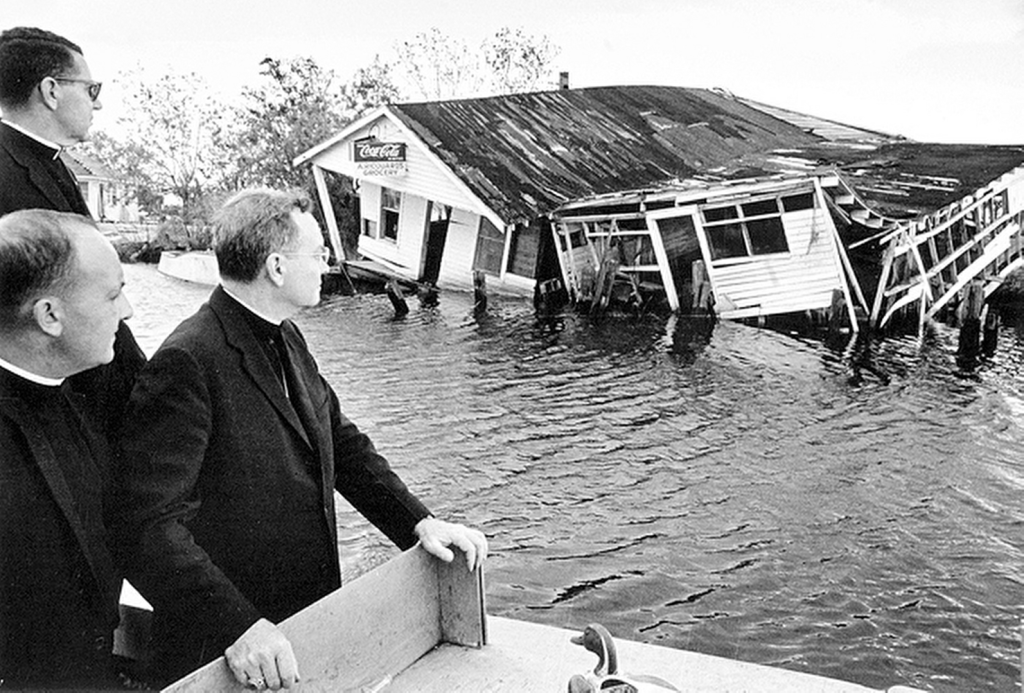
Betsy, the fist billion-dollar hurricane, smashed ashore near Grand Isle tonight in 1965. The storm arrived in Louisiana as a Category 3 monster, packing wind gusts of 145 mph. It wiped out the villages of Yscloskey and Delacroix and sent floodwaters through levees throughout the area. A half-million people would flee South Louisiana ahead of the storm, but seventy-five people would be killed in the most destructive storm in Louisiana history up until that time. Because the storm hit in the dead of night, countless New Orleanians awoke to find their homes already flooded. To flee, many sought higher ground in their attics, where some drowned as waters rose.
September 9, 1832
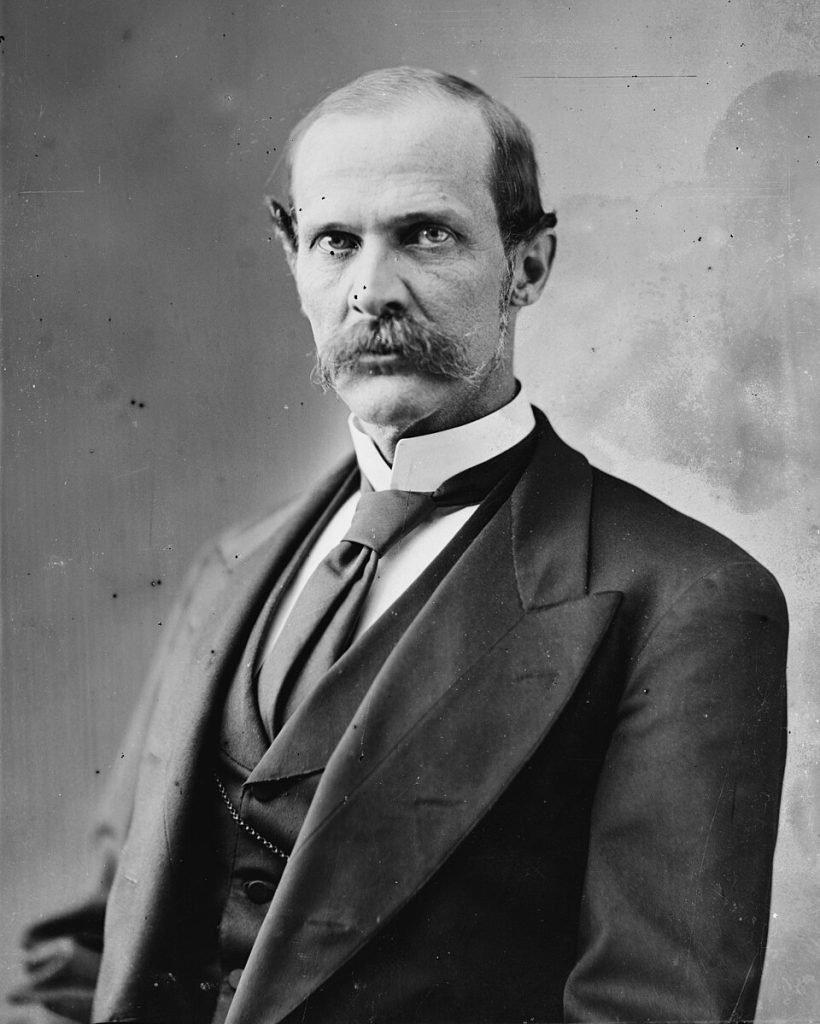
The Terrebonne Parish community of Gibson wasn’t originally named “Tigerville” because it had been settled by unusually loyal LSU fans. Nope. It was given the name because–hand to God–somebody thought they saw a tiger in the swamp. Turned out to be a bobcat–or pichou, as they’re known in South Louisiana. (Should we be grateful that nobody thought of naming the place “Macchu Pichou”?) In 1888, the name of the town was changed from Tigerville to to Gibson to honor Randall Lee Gibson (pictured), a native of the area who’d represented Louisiana in Congress from 1875 until 1892. He’d been a brigadier general in the Confederate army during the Civil War and later served as a regent of the Smithsonian Institution and as president of the Board of Administrators of Tulane University.
September 10, 1922
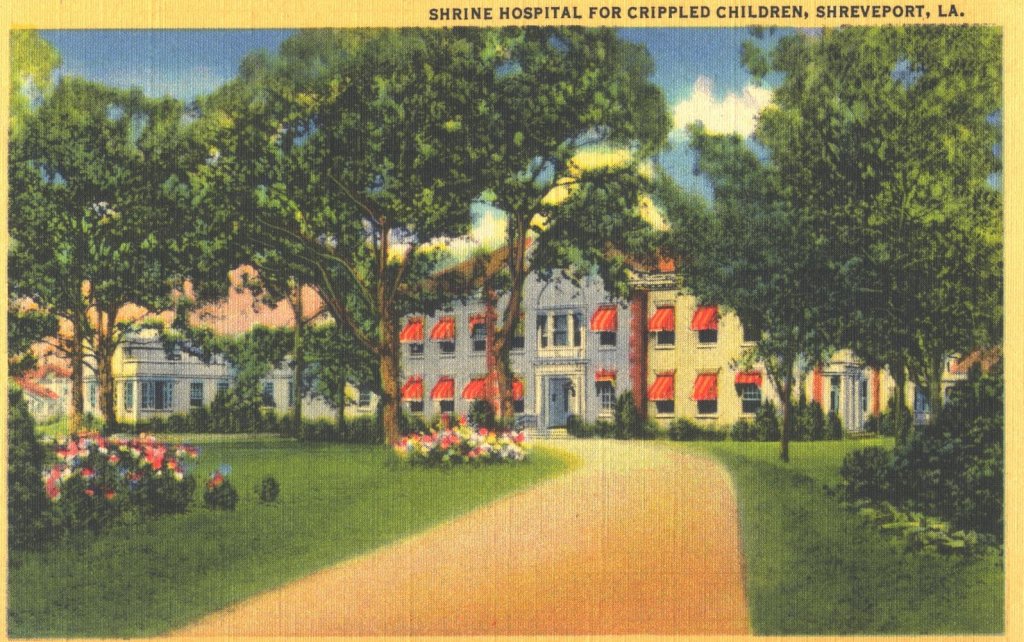
The world’s first Shriners Hospital for Children opened in Shreveport this week in 1922. In 1920, the Imperial Session of the Shriners was held in Portland, Oregon, and the membership unanimously passed a resolution to establish what at the time was called the Shriners Hospital for Crippled Children system. Today, there are 22 Shriners hospitals across America, and the Shreveport hospital, which moved to a new facility in 1986, specializes in orthopaedic services and provides care to children from Louisiana, Oklahoma, Texas, Arkansas, Mississippi, Alabama and the Republic of Panama.
September 10, 2001
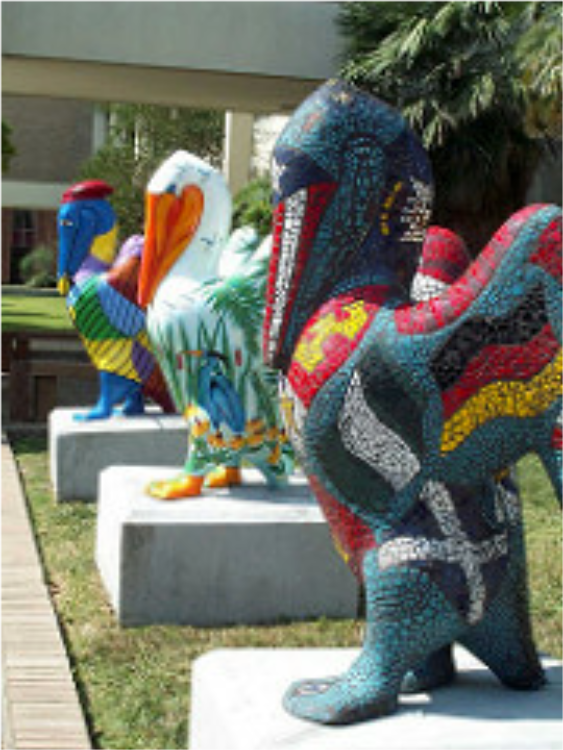
Pelicans were on Parade at the annual Festival Acadiens parade this week in 2001. The “Pelicans on Parade” public arts project which featured 54-inch-high fiberglass pelicans festooned in various disguises was a fundraising effort of the Acadiana Arts Council. It had kicked off in February 2001, and the first of fiberglass foul had made their debut at Festival International de Louisiane’s Artwalk in April, and most would participate in the Festival Acadiens parade in September. Several of the birds can still be found around Lafayette, and the “Pelicans on Parade” motif would be repeated with success in Slidell in 2013.

September 11, 1999
On former Governor Jimmie Davis’s 100th birthday today in 1999, Governor Mike Foster (right), joined by former Governors Dave Treen, Edwin Edwards, and Buddy Roemer, joined to wish Davis the happiest of birthdays. Did they sing Happy Birthday and You Are My Sunshine? You bet. Thankfully, there are no known recordings. After achieving fame for releasing both sacred and country songs, Davis served as the 47th governor of Louisiana from 1944 to 1948 and again from 1960 to 1964. He passed away in November, 2000.
September 11, 1722
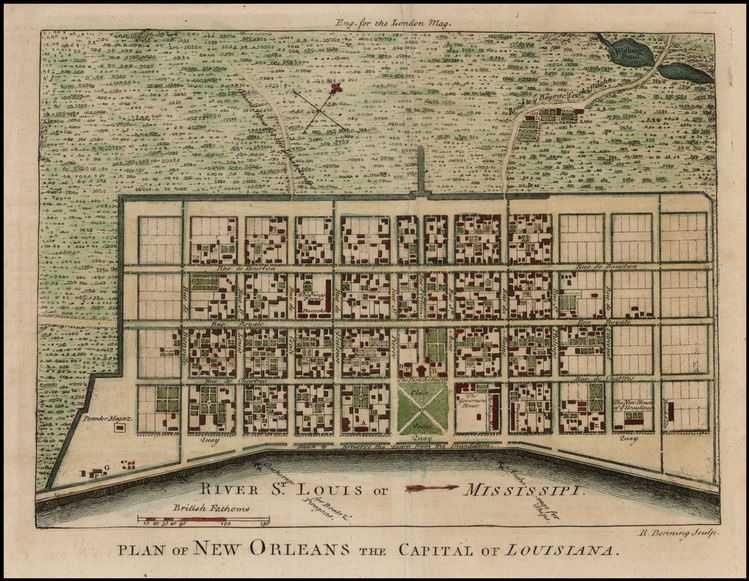
“The Great Hurricane of 1722” hit New Orleans today in the eponymous year. The storm struck with a vengeance the evening of September 11th, when hurricane-force southeast winds and a high surge struck New Orleans, whose three-foot levees proved inadequate. Hastily built buildings in New Orleans that had been constructed in the four years since the establishment of the city in 1718 suffered extensive destruction.
Thirty-six huts were destroyed during the storm, which included the area hospital and the St Louis church. Ten flatboats were broken apart and sunk, as were launches, canoes and pirogues. The storm’s eye would move inland west of the Mississippi and headed north across Central Louisiana.

September 12, 1987
Louisianans of all faiths fell in love with Pope John Paul II today as he visited New Orleans this weekend in 1987. He stayed at the residence of the archbishop of New Orleans and was served dinner that had been prepared at Antoine’s and served by ten of the restaurant’s waiters who had over 500 years of waiting experience among them. On Saturday, he spoke to 80,000 Catholic youth at the Louisiana Superdome, where it had been alleged that he removed the curse on the building that had afflicted the Saints since 1967. He later led an outdoor mass held on the grounds at the University of New Orleans in the afternoon.

September 12, 1894
Eunice land auction held this week in 1894. Cornelius C.”Curley” Duson was a legendary Louisiana lawman. He was the sheriff of St. Landry Parish, Louisiana from 1874 to 1888. During his career, he was known for his dogged determination. In one case, he single-handedly chased two fugitives from Opelousas to the Red River. There he killed one of them in a hand-to-hand fight. He wounded the other man and brought him back to Opelousas to face justice. On September 12, 1894, he is reputed to have driven a stake into the ground at the site of what would become the town of Eunice and said: “On this spot I will build a town and name it for my wife, Eunice.” An auction of lots was then held here to start the town.

September 13, 1943
Today in 1943, some genius serving at Harding Airfield in Baton Rouge during World War II made the startling discovery that women liked to gossip as much as men. A no-byline article in the base’s weekly newsletter Echelon stated, “If you are stationed at Harding Field, you may be sure that your name has been brought up at least once.” Asserting that women’s “gossip sessions” were more than a match for men’s “bull sessions,” the article continued that WAC sessions begin “with one or two girls swapping ideas that are too interesting for the innocent bystander to resist,” and grow from there.

September 13, 1987
Where Do the Nights Go by county legend Ronnie Milsap was released this week in 1987. It would become Milsap’s 33rd single to hit Number 1 on Billboard Country chart, but we’re more interested in the B-Side. It was a little tune called If You Don’t Want Me To that hardly anybody ever heard of until it became a cult hit in Southwest Louisiana. There it became a cult classic and inspired “The Freeze”, which is now considered to be the first Cajun line dance. It went viral in Cajun Country at a time when there was no such thing as going viral. Frustrated disc jockeys grew weary of requests constantly pouring in to play it on the radio, and no dance, fais-do-do, or wedding reception would be complete without it. Eventually, there would be other songs to line dance to, but no one would forget the original. In 2011, Milsap would re-record the song, giving it a new title–If You Don’t Want Me To–The Freeze.

September 14, 1955
Happy birthday, Pope Leo! You may know that the Pontiff has ties to Louisiana, including relatives in the state. His great-great-grandmother Celeste Lemelle was the daughter of two free people of color, Louis Lemelle and Celeste Olimpie Grandpres. They married in Opelousas, Louisiana, in 1798, and were legally classified as “quadroons.” Another ancestor was Carlos Louis Boucher De Grand Pré, the royal Spanish governor of the Baton Rouge district from 1799 until 1808. Under de Gran Pre’s leadership, settlers from the Canary Islands called Islenos, had established a settlement in what is now Ascension Parish near what is now French Settlement. After the Louisiana Purchase, these men and women who still considered themselves to be Spanish subjects petitioned de Gran Pre to be allowed to move to a site near the Spanish Fort San Carlos in what is now downtown Baton Rouge. The governor granted their request, and several families, moved to the area now known as Spanish Town .
September 14, 1974
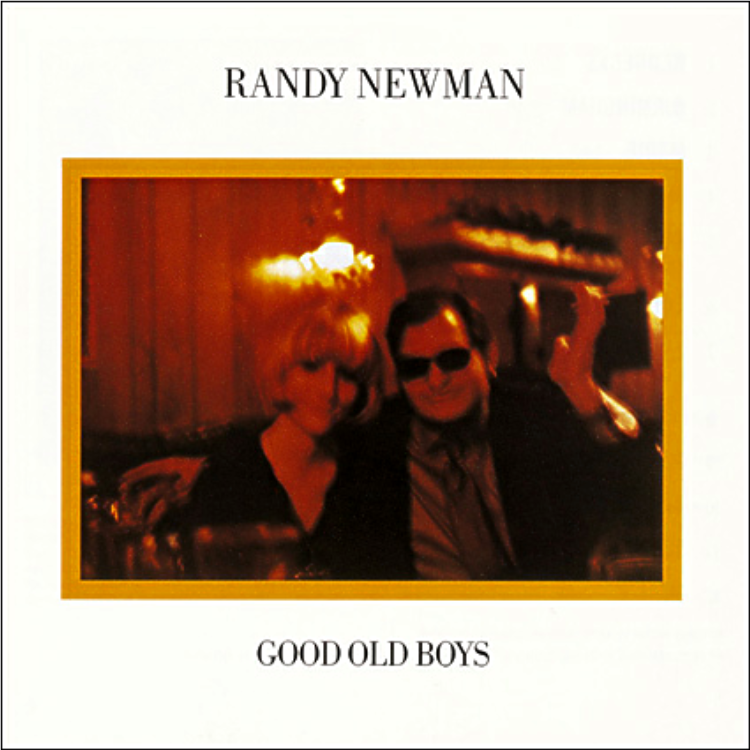
Randy Newman’s fifth album Good Ole Boys was released this week in 1974. While the album would peak at Number 36 nationally, it quickly became iconic in Louisiana, as it featured to songs relating to the state’s history. Ev’ry Man a King had been co-written by Huey Long and Castro Carazo in the 1930’s; and Louisiana,1927 was a woeful lament about about the devastating flooding of that year and the anemic national response to it. Newman was born in Los Angeles, lived in New Orleans as a small child, and spent summers there until he was eleven. Newman attended high school in Los Angeles and studied music at UCLA.

September 15, 1699
You’re not living in a state called “Carolana” today thanks to a clever teenager who foiled the plans of the entire British Empire today in 1699. “Carolana,” to Britain, meant the entire southern tier of the present-day United States from North Carolina to the Pacific, minus some Spanish outposts, but including France’s claim on Louisiana. A grant from Charles II to a man named Daniel Coxe resulted in an expedition undertaken to establishment on the “Meschacebe” (Mississippi) River led by a sea captain named Louis Bond. Bond’s expedition had almost as far as the future site of the French settlement at New Orleans, when it was approached by a small boat carrying 19-year-old Jean-Baptiste Le Moyne de Bienville, the brother of French governor Iberville. As it happens Bond and Bienville had met in French Canada a few years earlier, so the British captain had no reason not to believe the Frenchman when he said that to his knowledge, there were no British settlers in the Mississippi valley, and that there was indeed a large French military presence just up the river. Bond took the hint, turned his ship around, and returned to Charleston. Today, the site of that meeting is called English Turn.
September 15, 1977
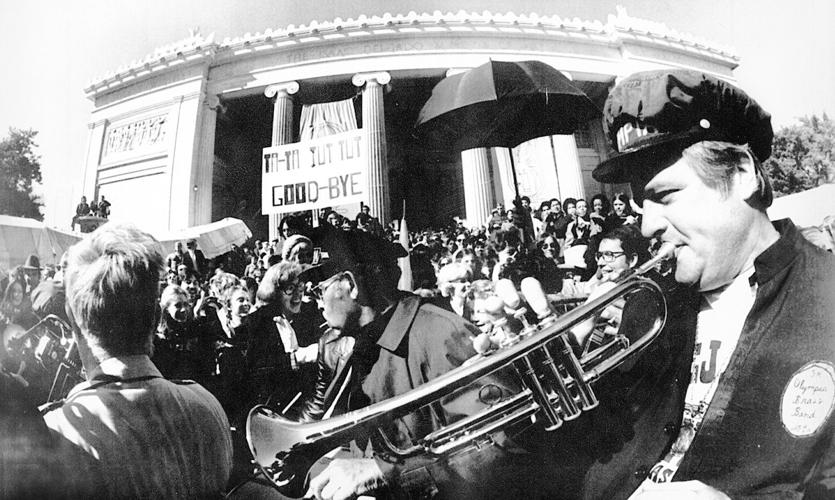
To quote Steve Martin, “He gave his life for tourism.” “The Event You’ve Been Waiting for Since 1325 BC” came to City Park in New Orleans today in 1977 as the “Treasures of Tutankhamun,” a blockbuster touring exhibit featuring artifacts from Tut’s reign, inclduing jewelry, furniture, and King Tut’s solid gold funeral mask were displayed. To say that the exhibit was a sensation was an understatement, as it attracted more than 870,000 visitors to the New Orleans Museu or Art during its four-month run. After the demand for memberships at the museum rose from three thousand to twelve thousand, the museum had sto stop selling memberships that included a visit to the exhibit. In addition to painting the street in fron of the museum a Nile Blue, tents were set up and twelve “Tut-lettes” were placed on the grounds to serve the crowds. Across the city, the Fairmont Hotel began serving “Tutburgers’ to guests, and strippers on Bourbon Street refreshed their acts to pay homage to the Boy King. The closing of the exhibit in January 1978 was accompanied by a jazz funeral.